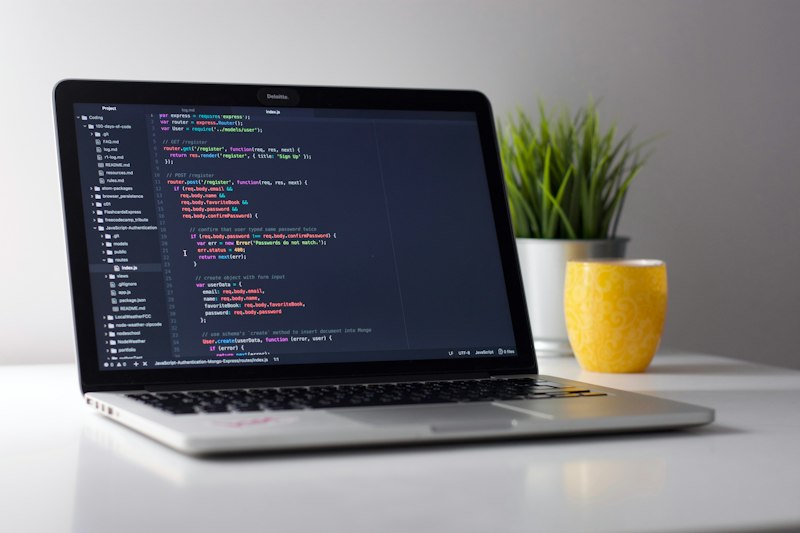
When you ask a web designer to build you a website, you might expect animations, sliders, video backgrounds and all sorts of visual effects. But for small businesses, simpler is often better. Here is why.
Why simple websites often outperform flashy ones
A good website design philosophy prioritises speed, clarity and usability over flashy graphics or distracting animations.
Heavy visual effects and unnecessary features slow websites down, frustrate visitors and negatively impact search engine rankings.
This does not mean fancy websites are always bad. It means that for most small businesses, fancy websites often perform worse than simple ones—and cost more to build and maintain.
Why speed matters more than you think
Fast-loading websites provide a better user experience and are favoured by search engines like Google.
Research consistently shows that visitors leave slow websites. Google's own research suggests that 53% of mobile users abandon pages that take longer than 3 seconds to load.
For a small business, every visitor who leaves is a potential customer lost.
By building lightweight, performance-focused websites, we help small business websites load quickly on both mobile and desktop devices. This improves:
- Visibility in search results – Google uses page speed as a ranking factor
- Time on site – visitors stay longer when pages load fast
- Bounce rates – fewer people leave before seeing your content
- Conversion rates – faster sites generate more enquiries
Clarity over complexity
We focus on clean, professional web design that presents essential business information clearly and logically.
When someone visits your website, they want to know:
- What do you do?
- Where do you work?
- How do I contact you?
- Can I trust you?
A website that answers these questions quickly and clearly will outperform a flashy website that buries this information under animations and effects.
This allows visitors to quickly understand what your business offers, where it operates and how to get in touch—which helps turn website visitors into enquiries.
Images that add value, not weight
We do use images—but sparingly and tastefully.
Every image on your website is:
- Fully optimised for speed – compressed without losing quality
- Placed where it adds genuine value – not just decoration
- Sized appropriately – not loading huge files on mobile devices
Photos of your work, your team or your premises help build trust. Stock photos of smiling people in suits do not.
What you get instead of flashy effects
The result is a modern, mobile-friendly website that:
- Feels fast and responsive
- Looks trustworthy and professional
- Works perfectly on phones, tablets and desktops
- Ranks well in search engines
- Is designed to attract enquiries rather than simply look impressive
Why this matters for small businesses
If you are a plumber, electrician, hairdresser or coffee shop owner, you do not need a website that wins design awards.
You need a website that:
- Helps customers find you on Google
- Makes a good first impression
- Shows what you do and where you work
- Makes it easy to get in touch
- Works reliably without breaking
That is exactly what we build.
Speed is not boring—it is professional
Some people think fast, simple websites are "boring." The reality is they are professional.
The most successful small business websites are not the ones with the fanciest animations. They are the ones that load quickly, communicate clearly, and make it easy for customers to take action.
If you are a small business owner, that is what matters most: a website that works for your customers, not one that wins design awards.
Related reading
If you found this useful, you might also want to read:
- Local SEO basics: how to appear in "near me" searches
- Why tradespeople need a website (even if you use Facebook)
Common questions
Does website speed really affect Google rankings?
Yes. Google has confirmed that page speed is a ranking factor, particularly for mobile searches. Faster websites tend to rank better, all else being equal. More importantly, slow websites lose visitors before they even see your content.
How fast should a website load?
Aim for under three seconds on mobile. Research consistently shows that bounce rates increase significantly after three seconds. Under two seconds is even better if you can achieve it.
Will a simple website look unprofessional?
Not at all. Clean, well-designed websites often look more professional than cluttered ones with lots of effects. Think of the websites for major brands—most are simple, fast, and focused on clarity rather than flashiness.
What makes a website slow?
Common culprits include large unoptimised images, too many fonts, heavy animations, video backgrounds, bloated code, and poor hosting. A well-built website avoids these issues from the start.
In summary
A fast, simple website is not a compromise—it is a deliberate choice that benefits your visitors, your search rankings, and your business. Speed, clarity, and ease of contact are what turn visitors into customers.